

Life After Diagnosis: How People with LEMS Adapt, Thrive, and Stay Connected
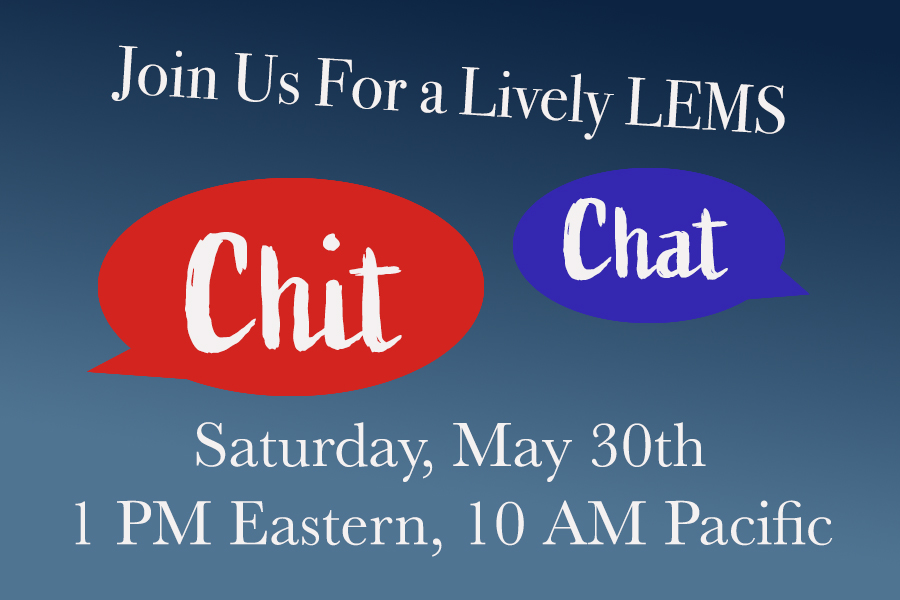
The LEMS Family Association recently hosted a Chit Chat discussion focused on life after a Lambert-Eaton Myasthenic Syndrome (LEMS) diagnosis. Participants shared how LEMS has affected their hobbies, passions, and daily routines—and, more importantly, how they have adapted to continue doing the things they love.
While every LEMS journey is unique, a common theme emerged throughout the conversation: life may change after diagnosis, but meaningful activities and personal fulfillment can continue with creativity, flexibility, and support.
Finding New Ways to Stay Active
Several participants described being highly active before their diagnosis. Activities such as horseback riding, hiking, swimming, walking, home renovation projects, and outdoor recreation became more challenging as symptoms progressed.
Rather than giving up entirely, many found ways to modify their activities:
- Swimming with additional safety measures such as life jackets and cooler swim times
- Choosing lighter equipment and shorter outings for photography
- Adjusting schedules to avoid heat and fatigue
- Breaking larger projects into smaller, more manageable tasks
Participants emphasized that adapting an activity is not the same as abandoning it.
When Travel and Social Activities Become More Complicated
For some community members, travel was one of the biggest losses after diagnosis. Long international trips, navigating airports, and managing fatigue can feel overwhelming.
Others discussed concerns about attending theaters, concerts, and public events while immunocompromised. Strategies that have helped include:
- Attending matinee performances when crowds are smaller
- Selecting seating farther from others
- Wearing masks when appropriate
- Contacting venues in advance to discuss accessibility needs
Many participants noted that hearing how others continue to travel and attend events gave them confidence to consider trying again.
Creativity Becomes an Important Outlet
A surprising number of participants found themselves turning toward creative hobbies after diagnosis.
Examples included:
- Photography
- Sewing
- Painting
- Arts and crafts
- Metal art and welding
- Cooking and baking
For some, physical limitations required a shift in focus. Landscape photographers began exploring macro photography and tabletop projects. Others rediscovered creative interests they had never previously had time to pursue.
One participant reflected that while LEMS forced them to slow down, it also created opportunities to explore new passions.
The Emotional Impact of Changing Hobbies
Many participants acknowledged the grief that can come with losing the ability to participate in activities exactly as they once did.
Whether it was horseback riding, extensive travel, long walks, or physically demanding hobbies, there was a shared understanding that adapting to LEMS often requires both practical and emotional adjustments.
However, participants consistently encouraged one another to focus on what remains possible rather than what has been lost.
Living with Uncertainty
The discussion also touched on the uncertainty that can accompany rare disease diagnosis and treatment. Some participants shared experiences of ongoing testing, changing symptoms, medication adjustments, and questions about whether LEMS was the complete explanation for their health challenges.
The group emphasized the value of:
- Working with knowledgeable healthcare providers
- Asking questions during medical appointments
- Connecting with others who understand the lived experience of LEMS
- Seeking support during periods of uncertainty
Key Takeaways
Several important lessons emerged from the discussion:
- Adaptation is powerful. Small modifications can help people continue participating in meaningful activities.
- Creativity can flourish. Many individuals discover new hobbies and interests after diagnosis.
- Community matters. Learning from others living with LEMS can provide practical ideas and emotional support.
- Passions do not disappear. They may evolve, but they can continue to enrich life after diagnosis.
- There is no single “right” way to adjust. Each person finds their own path forward.
Have you made any changes to your hobbies after your LEMS diagnosis? Tell us more in the comments section!